Old House Renovation in Thrissur: Renovate or Rebuild?
Many families in Thrissur live in, or have inherited, a house that's 25, 40 or even 80 years old. The roof leaks in places, the wiring trips in heavy rain, the kitchen is dark and small, and the toilets are outside the main house. The question is always the same: is it worth renovating, or should we demolish and build new?
There's no single answer, but there is a sensible way to decide. This guide walks through it, along with what to inspect first and how to plan the work.
Renovate or rebuild: how to decide
| Renovation usually makes sense when | Rebuilding usually makes sense when |
|---|---|
| The foundation and main walls are sound | There are major cracks, settlement or a weak foundation |
| The layout mostly works and needs changes, not a redesign | The layout doesn't suit how you live and would need to change completely |
| The house has character or emotional value worth keeping | Most of the structure would have to be replaced anyway |
| You want to keep living there during the work | You need a larger house than the plot and structure can support |
| You need the work done in phases | Renovation estimates come close to the cost of new construction |
The last point matters most. Once you add the hidden work in an old house, such as new wiring, plumbing, waterproofing and structural repairs, a major renovation can cost nearly as much as rebuilding. If the estimates are close, a new house usually gives you better value, because everything is new and designed together.
Inspect before you plan
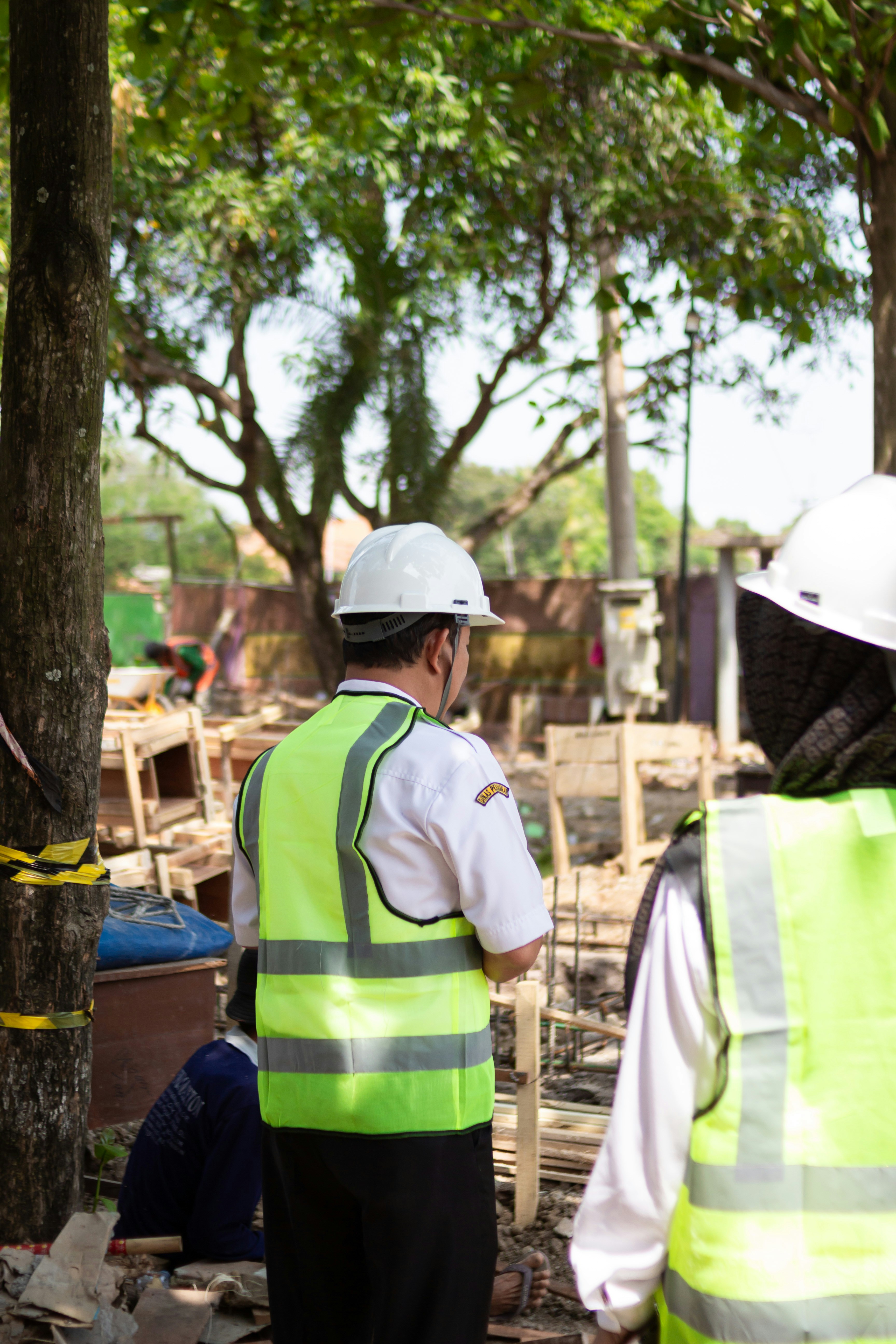
Before designing anything, have the house checked properly. These are the things we look at first in older Kerala homes:
- Foundation and walls. Cracks, especially diagonal ones near doors and windows, settlement, and dampness rising from the ground. Older laterite or rubble foundations are often fine but need checking.
- Roof. Termite damage in wooden rafters and purlins, broken or displaced tiles, and leaks in concrete slabs. Many older roofs need the timber replaced or a switch to a steel truss.
- Termites. Look for mud tubes on walls and damage in door frames, cupboards and roof timber. Treat the whole house before renovation, not after.
- Wiring. Old houses often have undersized wiring, no earthing, no MCBs and too few sockets. In most cases, complete rewiring is the safest choice.
- Plumbing. Old GI pipes rust from inside and reduce water pressure. Replacing them with CPVC or UPVC lines is usually part of any serious renovation.
- Dampness and leaks. Find the source first: the roof, the sunshade, a toilet above, or ground moisture. Covering damp patches with new paint or tiles just hides the problem.
This inspection gives you a list of what must be fixed, what should be fixed, and what's optional. That list is the base of your budget.
Which renovations need a permit?
As a general rule in Kerala, work that changes the structure or the built-up area needs a permit from the local body: adding a floor or a room, extending the house, or changing the main structure. Repainting, re-tiling, replacing doors and windows in the same openings, rewiring and replacing fittings typically don't.
The rules and the online process through K-SMART have been updated recently, so confirm with your designer or the panchayat or municipality before starting anything structural. An unapproved extension can cause problems later when selling, taking a loan or getting the house regularised.
What families are renovating most
These are the projects we're asked about most often around Thrissur:
- Kitchens. Turning a dark, closed kitchen into an open or semi-open kitchen with a modular layout and a separate work area. See our interior design cost guide for how kitchens are priced.
- Bathrooms. Moving toilets inside, adding attached bathrooms to bedrooms, and replacing old fittings with proper waterproofing underneath.
- Roofs. Replacing termite-damaged timber with a steel truss and re-laying tiles, or adding a truss roof over a leaking flat slab.
- Adding a floor. Only possible if the foundation and walls can take it, which needs a structural check first.
- Opening up the plan. Removing walls to join the living and dining rooms. Some of these walls carry load, so get structural advice before breaking anything.
- Restoring traditional homes. Keeping the tiled roof, wooden pillars and nadumuttam of an old tharavad while adding modern toilets, wiring and a functional kitchen.
Plan the work in the right order
Renovations go wrong when the visible work is done before the hidden work. A sensible order is:
- Structural repairs and termite treatment
- Roof repairs or replacement
- Rewiring and new plumbing lines
- Waterproofing of the roof, toilets and sunshades
- Plastering and wall repairs
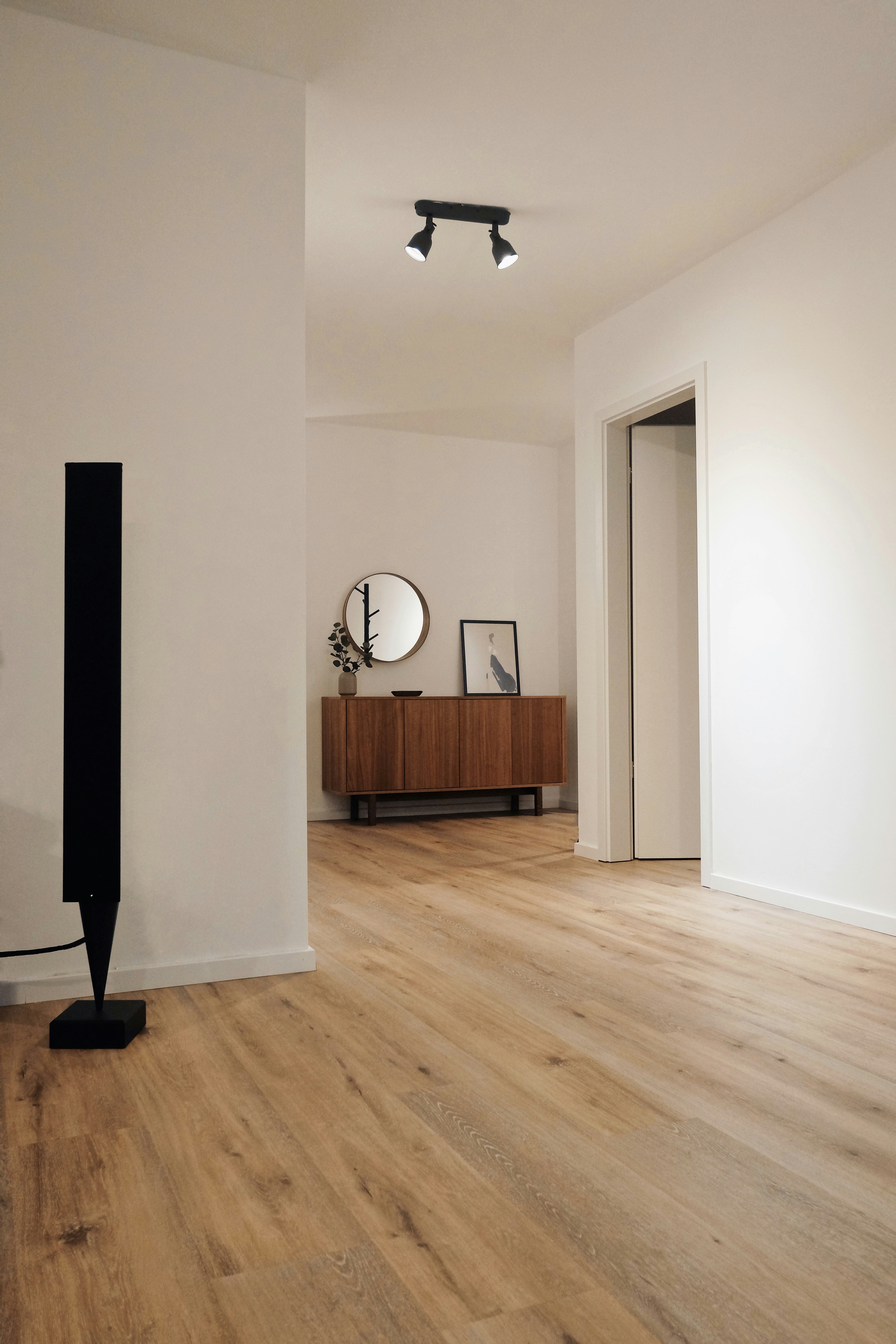
- Flooring
- Doors, windows and fittings
- Interiors, painting and finishing
If you're renovating in phases, finish complete stages rather than doing a little of everything. New flooring laid before the plumbing is redone often has to be broken again.
How to budget a renovation
Renovation costs vary far more than new construction, because every old house is different. Two things help keep the budget under control:
- Base the estimate on the inspection. A quote given before anyone has checked the roof, wiring and walls is a guess.
- Keep a contingency. Old houses hide surprises behind plaster and under floors. Keep a reserve of 15 to 25 percent of the estimate, more for very old houses.
Living in the house during renovation
It's possible for smaller jobs, especially if the work is done one area at a time. For a full renovation involving the roof, wiring and plumbing, most families find it easier and faster to move out for a few months. If you're staying, plan a working kitchen and one usable bathroom for every phase.
Renovate with us
At Design Draft, our architects and engineers inspect the house, tell you honestly whether renovation or rebuilding makes more sense, and our own team carries out the work, from structural repairs and roofing to kitchens, bathrooms and interiors. We work across Thrissur district, including Irinjalakuda, Chalakudy, Kodungallur and Kunnamkulam.
Book a free site visit or call +91 7736885666. If you decide to rebuild, our guide to choosing the right builder in Thrissur is a good place to start.
Frequently Asked Questions
Is it cheaper to renovate or rebuild an old house in Kerala?
Renovation is usually cheaper when the foundation and walls are sound and the layout mostly works. If the house needs new wiring, plumbing, roofing, waterproofing and structural repairs together, a major renovation can approach the cost of rebuilding, and a new house often gives better value.
Do I need a permit to renovate my house in Kerala?
Work that changes the structure or the built-up area, such as adding a floor or a room, generally needs a permit from the local body. Repainting, re-tiling, rewiring and replacing fittings usually do not. Confirm with your designer or local body before starting structural work.
Can I add a floor to an old house?
Only if the existing foundation and walls can carry the extra load. A structural engineer should check the foundation, walls and roof slab before you design an upper floor.
How much contingency should I keep for a renovation?
Keep 15 to 25 percent of the estimate as a reserve, and more for very old houses. Old buildings often hide problems behind plaster and under floors that only show up once work begins.
What should be done first in a house renovation?
Start with structural repairs and termite treatment, then the roof, wiring and plumbing, then waterproofing. Flooring, doors, interiors and painting should come last so they are not damaged by hidden work.